

If you’re considering having a towbar fitted to your car, one of the first decisions you’ll need to make is which type of towbar is right for you. If you are specifically looking for towbar fitting in Telford, Shrewsbury or Newport, understanding the differences between these options can help you have a more informed conversation with your towbar fitter.
There are several options available, including fixed flange towbars, fixed swan neck towbars and detachable systems. Each has its own characteristics, and the most suitable choice will depend on how often you use the towbar, what you intend to tow or carry, the type of accessories you use and how important appearance is to you.
For some drivers, a fixed towbar is a straightforward and practical choice. For others, a detachable towbar provides greater flexibility and a cleaner appearance when the towbar isn’t being used.
In this guide, we’ll look at the main differences between fixed and detachable towbars and explain some of the factors worth considering before you make a decision.
What Is a Fixed Towbar?
A fixed towbar is permanently attached to the vehicle once it has been installed.
The towball remains in position whether you’re towing or not, so there is no need to fit or remove the towball each time you want to use your trailer, caravan or bike carrier.
Fixed towbars are available in different designs, with fixed flange and fixed swan neck being two common options.
For drivers who regularly use their towbar, the simplicity of a fixed system can be attractive.
Once it has been fitted, the towbar is ready whenever you need it.
What Is a Detachable Towbar?
A detachable towbar is designed so that the detachable towball or neck can be removed when it isn’t required.
The main towbar assembly remains securely installed on the vehicle, while the detachable section can be removed and refitted as required.
This can be useful for drivers who only use their towbar occasionally or who prefer not to have the towball visible when they’re not towing.
Depending on the particular system, detachable towbars can be available in different configurations, including detachable swan neck and detachable flange designs.
Fixed vs Detachable Towbars: The Main Differences
There isn’t one option that is automatically suitable for every driver.
Instead, it’s worth considering how you use your vehicle and what you expect from the towbar.
Here are some of the main differences.
1. Appearance
One of the biggest reasons people consider a detachable towbar is appearance.
With a fixed towbar, the towball remains visible at the rear of the vehicle.
With a detachable system, the removable section can generally be taken off when it isn’t required, leaving a less prominent appearance.
This can be an important consideration if you have a newer vehicle and want to retain a cleaner-looking rear end when you’re not towing.
If appearance is a priority, a detachable towbar may therefore be worth considering.
2. How Often You Use the Towbar
Think about how frequently you’ll actually use the towbar.
If you tow a caravan every weekend, regularly use a trailer or frequently carry bikes on a towbar-mounted carrier, having a fixed towball permanently available may be convenient.
You don’t have to attach anything before using it.
On the other hand, if you only use your towbar a few times each year, a detachable system can give you the flexibility of removing the towball between uses.
There is no need to choose a towbar simply because you occasionally need to tow. Consider how it will fit into your normal driving routine.
Fixed Towbars for Regular Towing
A fixed towbar can be a practical choice for drivers who regularly tow.
For example, you might use your vehicle for:
- Caravan holidays
- Towing a utility trailer
- Transporting equipment
- Garden or DIY projects
- Business and trade work
- Regular use of a towbar-mounted bike carrier
Because the towball remains installed, there is no need to store or attach a detachable neck each time you want to use the towbar.
For frequent users, this can make the system straightforward and convenient.
Detachable Towbars for Occasional Use
A detachable towbar can be useful when the towbar is not required on a regular basis.
Perhaps you only tow a caravan once or twice a year, or you use a bike carrier during the summer but don’t need it during the rest of the year.
In these situations, being able to remove the detachable section can be an attractive feature.
When removed correctly, the vehicle can have a cleaner appearance compared with a permanently visible towball.
The detachable component should be stored appropriately when it isn’t being used and fitted according to the manufacturer’s instructions when required.
Fixed Flange vs Fixed Swan Neck Towbars
The choice isn’t simply between fixed and detachable.
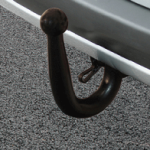
There are also different designs of fixed towbar to consider.
Fixed Flange Towbar
A fixed flange towbar has a traditional towball and flange arrangement.
This design is versatile and can be suitable for a range of towing and accessory applications.
Depending on the specific equipment, a flange towbar can also provide mounting options for accessories such as certain cycle carriers.
One consideration with some vehicles is the position of the towball and the potential relationship with parking sensors.
If your vehicle has parking sensors, this should be discussed before installation.
Fixed Swan Neck Towbar
A fixed swan neck towbar has a curved neck connecting the towball to the towbar assembly.
It generally has a more streamlined appearance than a traditional flange arrangement.
Swan neck designs can be suitable for towing and for certain towbar-mounted accessories, although compatibility should always be checked before purchasing an accessory.
If you’re considering a bike carrier or caravan stabiliser, tell your fitter what you intend to use with the towbar.
Detachable Swan Neck Towbars
A detachable swan neck towbar combines the removable feature of a detachable system with the streamlined design of a swan neck.
The neck can be removed when the towbar isn’t required.
This can be useful if you want the flexibility of a towbar while also preferring not to have the towball permanently visible.
Detachable swan neck systems can also be suitable for certain towbar-mounted accessories, but compatibility should always be confirmed for the specific product.
Detachable Flange Towbars
Detachable flange systems provide another option for motorists who want a removable towbar but need the flexibility associated with a flange design.
Depending on the system, these can be compatible with a range of towing accessories and cycle carriers.
As with any towbar, the exact system needs to be selected according to the vehicle and intended use.
What About Parking Sensors?
Parking sensors are an important consideration when choosing a towbar.
Depending on the vehicle and towbar design, the position of the towball can potentially affect the operation of rear parking sensors.
This doesn’t automatically mean that a fixed towbar isn’t suitable for a vehicle with parking sensors.
Instead, the particular vehicle and towbar combination should be checked before installation.
If you rely heavily on parking sensors or have a vehicle with advanced parking assistance, mention this when requesting your quote.
The correct towbar and wiring solution can then be considered for your vehicle.
Which Towbar Is Best for a Bike Carrier?
If you’re having a towbar fitted specifically to carry bikes, don’t choose a towbar based purely on whether it is fixed or detachable.
You should also consider the type of bike carrier you intend to use.
Towbar-mounted bike carriers can have different requirements, including requirements relating to towball design, nose weight and carrier compatibility.
A fixed towbar can provide a convenient solution if you use the carrier frequently.
A detachable towbar may be preferable if you want to remove the towball when the bike carrier isn’t in use.
Before buying either the towbar or bike carrier, check that the two are compatible.
Which Towbar Is Best for a Caravan?
If you’re primarily interested in towing a caravan, the choice needs to take into account both the towbar and the electrical system.
A towbar suitable for caravan towing needs to be appropriate for the vehicle and the intended towing requirements.
You’ll also need to consider the caravan’s electrical requirements.
Modern caravans commonly use 13-pin connections, while older caravans can have different electrical arrangements.
If you’re unsure which electrical system you need, it’s worth discussing this before the towbar is fitted.
You can also read more about towbar electrics and the different electrical options available.
Do Detachable Towbars Affect Towing Capacity?
The towing capacity isn’t simply determined by whether a towbar is fixed or detachable.
The permitted towing limits are determined by the vehicle and its manufacturer’s specifications, along with the relevant towbar and installation requirements.
This means you shouldn’t assume that a detachable towbar has a lower towing capacity than a fixed towbar, or vice versa.
The correct equipment needs to be selected for the particular vehicle and intended application.
Always check your vehicle’s permitted towing weights before towing.
Are Detachable Towbars More Expensive?
A detachable towbar will often involve a higher equipment cost than a basic fixed towbar, although the exact price depends on the vehicle, towbar system and electrical requirements.
Other factors that can affect the overall installation cost include:
- Vehicle make and model
- Towbar manufacturer
- Fixed or detachable design
- Flange or swan neck configuration
- 7-pin or 13-pin electrics
- Universal or dedicated wiring
- Vehicle-specific installation requirements
- Additional electrical integration
For this reason, it is better to obtain a quote based on your actual vehicle rather than relying on a generic towbar price.
Can You Remove a Fixed Towbar?
A fixed towbar can technically be removed, but that’s not the purpose of a fixed system.
The towbar is designed to remain installed on the vehicle.
If you know from the beginning that you want the option of removing the towball when it isn’t being used, a detachable towbar may be a more appropriate solution.
Choosing the right system before installation is generally preferable to having a fixed towbar removed later.
What Type of Towbar Do I Need?
The answer depends on what you want to use the towbar for.
Consider the following questions:
Do you tow regularly?
If you tow frequently, a fixed towbar may provide a straightforward and convenient option.
Do you only tow occasionally?
If the towbar will only be used occasionally, you may prefer a detachable system.
Do you want the towball hidden when not in use?
A detachable towbar can allow the removable section to be taken off when you’re not towing.
Do you use a bike carrier?
Check the manufacturer’s compatibility requirements before selecting the towbar.
Do you tow a caravan?
Consider both the mechanical towbar and the electrical system required by your caravan.
Do you have parking sensors?
Make sure the proposed towbar is suitable for your vehicle and discuss the parking sensor arrangement with your fitter.
If you’re based in Shropshire and need advice about the right towbar for your vehicle, MTF Towbar Fitters provides mobile towbar fitting in Telford, Shrewsbury and Newport.
Choosing the Right Towbar for Your Vehicle
There is no need to make the decision based solely on appearance or price.
The best starting point is to explain how you intend to use the towbar.
For example, tell your fitter if you:
- Tow a caravan
- Tow a trailer
- Carry bikes
- Tow regularly
- Tow only occasionally
- Have parking sensors
- Have a hybrid or electric vehicle
- Need 7-pin electrics
- Need 13-pin electrics
This information helps identify the type of towbar and electrical system that is appropriate for your vehicle.
You can also see the different options available on our guide to towbar types.
Fixed or Detachable: A Simple Comparison
Here’s a quick way of looking at the main differences:
Fixed towbar
- Towball remains fitted
- Convenient for regular use
- No need to attach the towball before use
- Suitable for regular towing
- Available in flange and swan neck designs
- Towball remains visible
Detachable towbar
- Detachable section can be removed
- Useful for occasional towing
- Cleaner appearance when removed
- Available in different designs
- Requires the detachable section to be fitted when needed
- Storage is required when removed
Neither system is automatically suitable for every driver. The important thing is choosing equipment that matches your vehicle and intended use.
Mobile Towbar Fitting in Telford, Shrewsbury and Newport
If you’re based in Telford, Shrewsbury, Newport or the surrounding areas of Shropshire, MTF Towbar Fitters provides mobile towbar installation at suitable locations.
This means you can discuss your vehicle and requirements before arranging an installation at home, work or another suitable location.
Whether you’re considering a fixed flange towbar, fixed swan neck, detachable flange or detachable swan neck, the appropriate option will depend on your vehicle and what you need the towbar to do.
For motorists looking for mobile towbar fitting in Telford, Shrewsbury and Newport, we can discuss the available options and electrical requirements before arranging your installation.
Frequently Asked Questions
Is a fixed or detachable towbar better?
The right choice depends on how you use your vehicle. A fixed towbar can be convenient for regular towing, while a detachable system allows the towball to be removed when it isn’t required.
Can a detachable towbar be used for towing a caravan?
Yes, provided the particular detachable towbar is suitable for the vehicle and the intended caravan towing requirements.
The correct electrical system will also need to be considered.
Can I use a bike carrier with a detachable towbar?
Many detachable towbars can be used with compatible towbar-mounted bike carriers. However, you should always check compatibility between the specific towbar and carrier before purchasing or installing either product.
Will a towbar affect my parking sensors?
It can depend on the vehicle and towbar design. The position of the towball can be relevant to rear parking sensors, so this should be considered when selecting the towbar.
Are swan neck towbars suitable for bike carriers?
Some are, but compatibility depends on the specific towbar and bike carrier. Always check the manufacturer’s requirements before use.
Do I need 7-pin or 13-pin electrics?
This depends on what you intend to tow or carry and the electrical requirements of the trailer or caravan. 7-pin systems are commonly used for basic trailer lighting, while 13-pin systems are widely used with modern caravans.
Can you fit a detachable towbar to my car?
Many vehicles can be fitted with detachable towbars, but suitability depends on the specific make, model and specification of the vehicle.
Can you fit a towbar to a hybrid or electric vehicle?
Many hybrid and electric vehicles can have towbars fitted, but the exact requirements vary between vehicles. The make, model and year should be checked before installation.
Book Your Towbar Fitting in Shropshire
Choosing between a fixed and detachable towbar doesn’t have to be complicated.
Start by thinking about how you will use the towbar. If you tow regularly, a fixed system may provide the convenience you need. If you only use the towbar occasionally and prefer a cleaner appearance when it isn’t required, a detachable system may be worth considering.
You should also consider the type of accessory you’ll be using, whether you need to tow a caravan or trailer, your electrical requirements and any vehicle features such as parking sensors.
If you’re ready to discuss your requirements, towbar fitting in Telford, Shrewsbury and Newport is available as a mobile service from MTF Towbar Fitters.
For advice or a quote, contact MTF Towbar Fitters on 07938 960725.